My Teen Is Out of Control: Help | The Real Parent Alliance
My Teen Is Out of Control: What Parents Can Do When Nothing Works
If you are searching “my teen is out of control”, you are probably not looking for ordinary parenting tips.
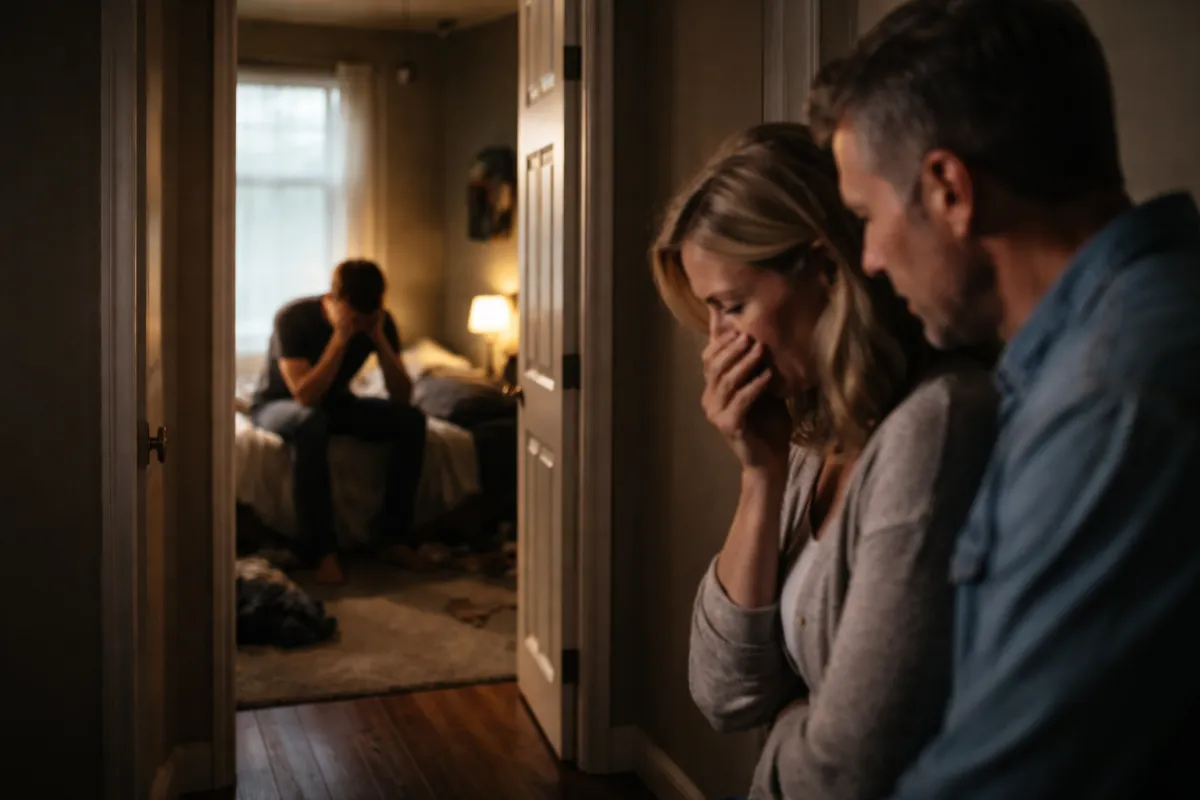
You are probably looking for help because your home feels chaotic, tense, or unsafe. Your teen may be screaming, threatening family members, refusing school, using drugs, running away, breaking things, or making daily life feel impossible. When a parent searches “my teen is out of control”, it is usually because the situation has gone far beyond normal teenage defiance.
Many parents who type “my teen is out of control” into Google are exhausted, scared, and out of answers. They have already tried therapy, consequences, school meetings, medication changes, and every piece of advice they could find. Nothing seems to work. The behavior keeps escalating, and the rest of the family is suffering too.
If that is where you are right now, you are not alone.
At The Real Parent Alliance, we know this search comes from a real place of fear. Parents searching “my teen is out of control” are often trying to protect younger siblings, hold their marriage together, avoid another school crisis, and figure out what kind of help actually exists before something gets even worse.
This guide explains what out-of-control teen behavior really looks like, why it often gets worse even when parents are trying everything, what options may exist, and when families begin considering more structured support like residential treatment for teens.
What Does “My Teen Is Out of Control” Usually Mean?
When parents search “my teen is out of control,” they are usually describing a pattern of escalating behavior that is affecting the entire household.
That can include:
explosive anger and screaming
threats toward parents or siblings
property destruction
repeated school suspension or expulsion
refusing school entirely
substance use or risky behavior
running away or disappearing overnight
lying, stealing, or unsafe peer influence
psychiatric crises or suicidal threats
intimidation that makes the home feel unsafe
For many families, my teen is out of control does not mean their child is simply disrespectful or difficult. It means the situation feels bigger than normal parenting tools can handle.
This is why parents often search phrases like:
my teen is out of control
out of control teenager help
what to do when your teen is out of control
my teenager is out of control and I can’t handle it
help for violent or defiant teens
If those phrases describe what is happening in your home, the first thing to know is that you are not overreacting just because you are taking this seriously.
Signs Your Teen Is Out of Control
Parents often wonder whether they are dealing with a rough phase or whether the situation has reached a more serious level. While every child is different, there are common warning signs parents describe when they say my teen is out of control.
Emotional and behavioral warning signs
A teen who is out of control may show:
constant rage or verbal abuse
extreme defiance toward rules or authority
explosive reactions to small limits
unpredictable mood swings
manipulation, intimidation, or threats
School-related warning signs
A teen who is out of control may also be:
refusing to go to school
repeatedly suspended
failing classes because of behavior or absence
being removed from programs or activities
involved in repeated school discipline issues
Safety-related warning signs
Some of the most serious signs include:
hurting siblings
threatening parents
destroying property during rages
running away
drug or alcohol use
threatening self-harm or suicide
When these patterns begin stacking together, my teen is out of control is no longer just a feeling. It may be an accurate description of a crisis-level situation.
If You’re Searching “My Teen Is Out of Control,” You’re Probably Exhausted
Parents do not usually search “my teen is out of control” on a calm afternoon.
They search it after another screaming match. After another call from school. After another hole in the wall. After another threat. After another night lying awake wondering whether everyone in the house is safe.
Many parents in this situation feel trapped between love and fear.
They love their child, but they are also scared of what might happen next. They want to help, but they no longer know what helping is supposed to look like. They feel guilty for thinking about safety, placement, or separation, even while knowing the current situation cannot continue forever.
If that sounds familiar, you are not failing. You are likely carrying a level of stress that most people do not understand.
Why Nothing You’ve Tried Is Working
One of the hardest parts of reaching the point of my teen is out of control is realizing that the usual solutions may not be enough.
Most parents have already tried:
therapy
stricter rules
removing privileges
medication changes
school intervention
behavior plans
more patience
more structure
more second chances
So why does nothing seem to work?
Sometimes because the issue is deeper than behavior alone. A teen may be struggling with trauma, depression, anxiety, emotional dysregulation, substance abuse, unsafe peer influence, or an untreated mental health condition. Sometimes the family is trying to manage something at home that actually requires a much higher level of structure and intervention.
Sometimes weekly therapy is simply not enough for a teen whose behavior has become dangerous or destabilizing.
When parents say my teen is out of control and nothing works, it often means the level of need has outgrown the level of support currently in place.
When “My Teen Is Out of Control” Becomes a Safety Issue
This is one of the most important turning points for parents.
A lot of families spend months asking whether their teen is just being rebellious. They hope it is a phase. They hope things will calm down. They hope the next therapist or school consequence will change everything.
But there comes a point when the better question is not, “Is this normal?”
The better question is, “Is my home safe?”
If your teen is threatening siblings, becoming physically aggressive, destroying property, running away, or creating constant fear in the home, my teen is out of control may no longer be just a parenting problem. It may be a safety problem.
That matters because the next step may need to focus on:
immediate stability
protection for siblings
protection for the teen
clinical evaluation
a more structured environment
When safety becomes part of the picture, parents often begin exploring options they never thought they would consider.
What To Do When Your Teen Is Out of Control
Parents searching what to do when your teen is out of control usually need more than vague advice. They need a clearer decision path.
1. Be honest about the severity
Do not minimize threats, aggression, school collapse, drug use, or the effect on other children. The more honest you are about the situation, the better your decisions will be.
2. Stop treating this like a minor discipline issue
If your teen is out of control in a way that affects safety, daily functioning, or mental health, this may require more than household consequences and weekly therapy.
3. Document patterns
Write down school incidents, aggressive episodes, threats, hospitalizations, substance issues, and failed interventions. This can help clarify how serious the situation has become.
4. Evaluate the level of care needed
Some teens need outpatient help. Others need intensive outpatient, partial hospitalization, wilderness therapy, therapeutic boarding school, or residential treatment for teens.
5. Get informed before making placement decisions
Parents in crisis are vulnerable to rushed, emotional, and expensive decisions. It is important to understand how the placement world works before committing to a program.
What Are the Options for Parents With an Out-of-Control Teen?
If you are searching my teen is out of control, you may also be asking what kind of help actually exists.
Depending on the severity of the situation, options may include:
individual therapy
family therapy
psychiatric care
intensive outpatient treatment
partial hospitalization
wilderness therapy
therapeutic boarding schools
residential treatment for teens
Not every teen needs the same level of care. But when home has become unstable or unsafe, parents often start researching more structured treatment environments.
That is where residential treatment for teens becomes an important topic. Residential treatment for teens can offer 24-hour structure, clinical care, academic support, and a therapeutic setting when home-based interventions are no longer enough.
When Parents Start Looking at Residential Treatment for Teens
Most parents do not casually arrive at this point.
They get here because:
their teen is out of control at home
siblings are afraid
school is no longer working
outpatient therapy is failing
psychiatric crises keep happening
the family is living in survival mode
When parents start researching residential treatment for teens, they are usually trying to answer one painful question:
“What happens when we cannot safely manage this at home anymore?”
If you are asking that question, our article on residential treatment for teens goes deeper into what that level of care is, when parents begin considering it, and how to evaluate programs carefully.
The Mistake Many Parents Make When Looking for Help
Parents searching my teen is out of control are often in a vulnerable position. They need answers fast. That urgency can make it easier to trust the first confident person or polished website they find.
But one of the biggest mistakes parents make is assuming that every recommendation is neutral and fully transparent.
The teen treatment and placement world can be confusing. Financial relationships sometimes exist between professionals and programs, and families do not always realize that when they are receiving advice.
That is why it is important to ask hard questions and understand the system before making major decisions.
We explain that more in Do Educational Consultants Receive Referral Payments From Teen Treatment Programs?.
Our Story Is Why The Real Parent Alliance Exists
We are not writing about this from a distance.
Our family lived through the fear, confusion, desperation, and pressure that come when a child is struggling and home no longer feels stable. We know what it feels like to search for answers while trying to hold everything together. We know what it feels like to trust a system and then realize how complicated that system really is.
That lived experience is why we created The Real Parent Alliance.
We believe parents deserve honest guidance, transparency, and help from people who understand how high the stakes really are. You can read more on our story page.
What the Right Path Forward Can Look Like
When parents reach the point of saying my teen is out of control, they often cannot picture a way forward.
But there is one.
A better path usually starts with three priorities:
Protection
The first priority is safety for the teen, the parents, and any siblings in the home.
Navigation
The second priority is understanding the real options, not just the most heavily marketed ones.
Restoration
The long-term goal is not just ending the next crisis. It is helping the child and family move toward stability, healing, and the possibility of a healthier future.
That path can look different for every family. But clarity matters. Honest information matters. And making decisions from a place of understanding is far better than making them from pure panic.
You Do Not Have To Do This Alone
If you are searching my teen is out of control, chances are your family has already been through a lot.
You may be scared. You may be exhausted. You may be ashamed to tell people how bad things have become. You may feel like no one understands what your home is really like.
But there are parents asking these same questions right now, and there are next steps available.
At The Real Parent Alliance, we help families understand what they are dealing with, what options may exist, and how to navigate this world more carefully.
If you are ready to talk through your situation, visit our contact page.
FAQ: My Teen Is Out of Control
What does it mean when parents say, “my teen is out of control”?
Usually it means the teen’s behavior has become severe enough to disrupt daily life, damage relationships, create fear in the home, or raise real safety concerns. This often includes aggression, school refusal, running away, threats, or substance use.
What should I do first if my teen is out of control?
Start by being honest about the severity of the behavior. If the situation affects safety, mental health, or the stability of the home, it may be time to evaluate a higher level of care and get more informed about treatment options.
Is my teen out of control or just rebellious?
Normal rebellion usually does not create ongoing fear, repeated crises, or major instability in the home. When behavior includes aggression, threats, repeated school problems, or dangerous choices, it may be more serious than typical rebellion.
When should parents consider residential treatment for teens?
Parents often begin considering residential treatment for teens when the home no longer feels safe, outpatient treatment is not enough, or the teen’s emotional or behavioral struggles require 24-hour structure and support.
Where can I learn more about treatment options?
A good next step is our guide on residential treatment for teens, which explains how that level of care works and what parents should consider.
