ADHD in Teens: Beyond Medication | The Real Parent Alliance
ADHD in Teens: When Medication and Therapy Aren't Enough
February 28, 2026|Troubled Teen Help
ADHD in Teens: When Medication and Therapy Aren't Enough – Exploring Therapeutic Boarding Schools, Wilderness Therapy, and Residential Placements for Lasting Change
As a parent, you've likely experienced those moments when your teen's energy feels like a whirlwind—bouncing from one unfinished task to another, forgetting assignments, or exploding in frustration over the smallest setback. But what if that "typical teen stuff" masks something deeper? What if ADHD (Attention-Deficit/Hyperactivity Disorder) is turning your home into a place of constant chaos, emotional exhaustion, and worry for your child's future? You're scrolling through articles like this one, heart heavy, searching for answers because medication adjustments and weekly therapy sessions just aren't cutting it anymore. The arguments escalate, school calls pile up, and you wonder if you'll ever see your child thrive.We get it—intimately. At The Real Parent Alliance, my wife Taylor and I founded this resource out of our own desperation. Our oldest son began showing intense behavioral challenges around age 4—outbursts that led to play therapy, then escalated over the years to bullying, stealing, running away from home, physical aggression (including biting a teacher), and multiple police interactions by age 8. CPS visited our home a dozen times because of risks to himself and his siblings. We tried everything: psychiatrists, medications, EMDR, family therapy, parenting classes, marriage counseling, sibling sessions—even a 45-day Partial Hospitalization Program at Cook Children's in 2018 and an 11-day psychiatric facility stay in 2023. We racked up over $250,000 in debt, felt shattered by system failures (courts rejecting placements because he "wasn't bad enough" then later deeming him "too violent"), and lived in constant fear for our family's safety. Our son's struggles weren't just ADHD, but they shared many hallmarks: impulsivity, inattention, hyperactivity that morphed into defiance and risk-taking as he hit his teens. We felt broken, judged, and utterly alone pouring our hearts into helping him while questioning if we'd ever get our child back. That raw pain is why we're here: to guide families like yours toward real, lasting solutions when home-based approaches fall short. Read the full details of Our Story to see how we turned our crisis into a mission, ultimately finding hope through a transformative 10-month therapeutic boarding school abroad after U.S. programs like boys ranches rejected him. Today, he's home, mature, kind, and excited to be part of our family again. If this resonates, know there's hope for your family too. In this in-depth article (nearly 1,900 words), we'll explore ADHD in teens, its symptoms, why traditional treatments like medication and therapy often aren't enough for severe cases, and how out-of-home placements—such as wilderness therapy, therapeutic boarding schools, and residential treatment centers—can provide the structured support needed for real change. We'll also touch on co-occurring conditions like Oppositional Defiant Disorder (ODD), linking to our related guide for deeper insights. If you're ready to take the next step, contact The Real Parent Alliance today for a free, compassionate consultation tailored to your family's needs.
Understanding ADHD in Teens: Beyond the Stereotypes
ADHD isn't just about being "hyper" or "forgetful"—in adolescents, it can manifest as a complex web of challenges that disrupt every aspect of life. According to the DSM-5, ADHD involves persistent patterns of inattention, hyperactivity, and impulsivity that interfere with functioning or development. For teens, these symptoms often intensify due to hormonal changes, academic pressures, social media distractions, and the push for independence.
Inattention Symptoms in Teens:
Difficulty sustaining focus on tasks like homework or chores, leading to incomplete work or careless mistakes.
Frequent forgetfulness—losing items, missing deadlines, or forgetting conversations.
Easily distracted by external stimuli (e.g., notifications) or internal thoughts, making organization a nightmare.
Hyperactivity and Impulsivity Symptoms:
Fidgeting, restlessness, or an inability to sit still, which might show as constant movement or talking excessively.
Impulsive decisions like interrupting others, risky behaviors (driving recklessly, substance experimentation), or emotional outbursts.
Trouble waiting turns or delaying gratification, often leading to conflicts with peers or authority figures.
In our experience, these symptoms didn't stand alone. Our son's ADHD-like impulsivity blended with defiance, creating a storm of aggression and risk-taking. Research from the Centers for Disease Control and Prevention (CDC) shows that about 60% of teens with ADHD have co-occurring conditions, such as anxiety, depression, or ODD—where argumentative behavior, vindictiveness, and resentment amplify the chaos. If your teen's ADHD is intertwined with defiance, check out our detailed guide on Oppositional Defiant Disorder in Teens: Effective Treatments That Can Restore Peace to Your Family for more on symptoms and overlaps. The emotional toll on parents is immense. You might feel guilty ("Did I miss early signs?"), frustrated ("Why won't they just try harder?"), or terrified ("What if this leads to failure or danger?"). We remember those sleepless nights, replaying every outburst, wondering if our love was enough. But recognizing when ADHD has escalated beyond home management is the first act of profound care.
When Medication and Therapy Aren't Enough: The Breaking Point
Standard treatments for teen ADHD often start with stimulants like Adderall or non-stimulants like Strattera, combined with behavioral therapy (e.g., Cognitive Behavioral Therapy or CBT) to build coping skills. Parent training programs teach strategies like structured routines, positive reinforcement, and time management tools. These can work wonders for milder cases, with studies from the American Academy of Pediatrics showing improvements in focus and behavior. But for many families—like ours—these approaches plateau. Why? Teens with severe ADHD might develop tolerance to meds, experience side effects (appetite loss, insomnia), or resist therapy due to stigma or denial. Co-occurring issues complicate things: If defiance or trauma underlies the ADHD, talk therapy alone can't address the root. Environmental factors—peer pressure, family stress, or digital overload—exacerbate symptoms, turning home into a trigger zone. We tried it all: Multiple psychiatrists tweaking meds, EMDR for trauma, family sessions to rebuild communication. Yet, our son's behaviors worsened—running away, physical aggression, police involvement. The system failed us repeatedly: Courts denied placements early on, calling him "not bad enough," only to label him "too violent" later. We racked up debt, our marriage strained, and siblings lived in fear. If you're at this point—school expulsions looming, safety concerns rising, or exhaustion overwhelming—it's time to consider escalation. Ignoring it risks long-term consequences like academic failure, substance abuse, or legal troubles. But there's a path forward: Out-of-home placements designed for teens with ADHD and behavioral challenges.
Exploring Effective Out-of-Home Placements for Teens with ADHD
When home-based interventions fall short, structured programs provide immersive environments that remove distractions, enforce routines, and offer specialized therapy—leading to breakthroughs unavailable at home. These aren't "boot camps"; they're evidence-based settings focused on healing, skill-building, and family reunification.
Wilderness Therapy Programs: Nature as a Catalyst for Change
Wilderness therapy (typically 8-12 weeks) immerses teens in outdoor adventures like hiking, camping, and survival skills, guided by licensed therapists. For ADHD teens, the distraction-free setting— no screens, no negative peers—helps reset focus and impulsivity. Activities build executive function: Planning a hike teaches organization; group challenges foster impulse control and teamwork. Research from the Outdoor Behavioral Healthcare Council shows wilderness programs reduce ADHD symptoms by promoting mindfulness, emotional regulation, and self-efficacy. Our own journey echoed this: Though our son's wilderness attempt had limited engagement due to severity, we've seen it work wonders for families we guide—teens returning calmer, more reflective, ready for longer-term care. If your teen thrives in hands-on settings, this could be the bridge to stability.
Therapeutic Boarding Schools: Structure Meets Support
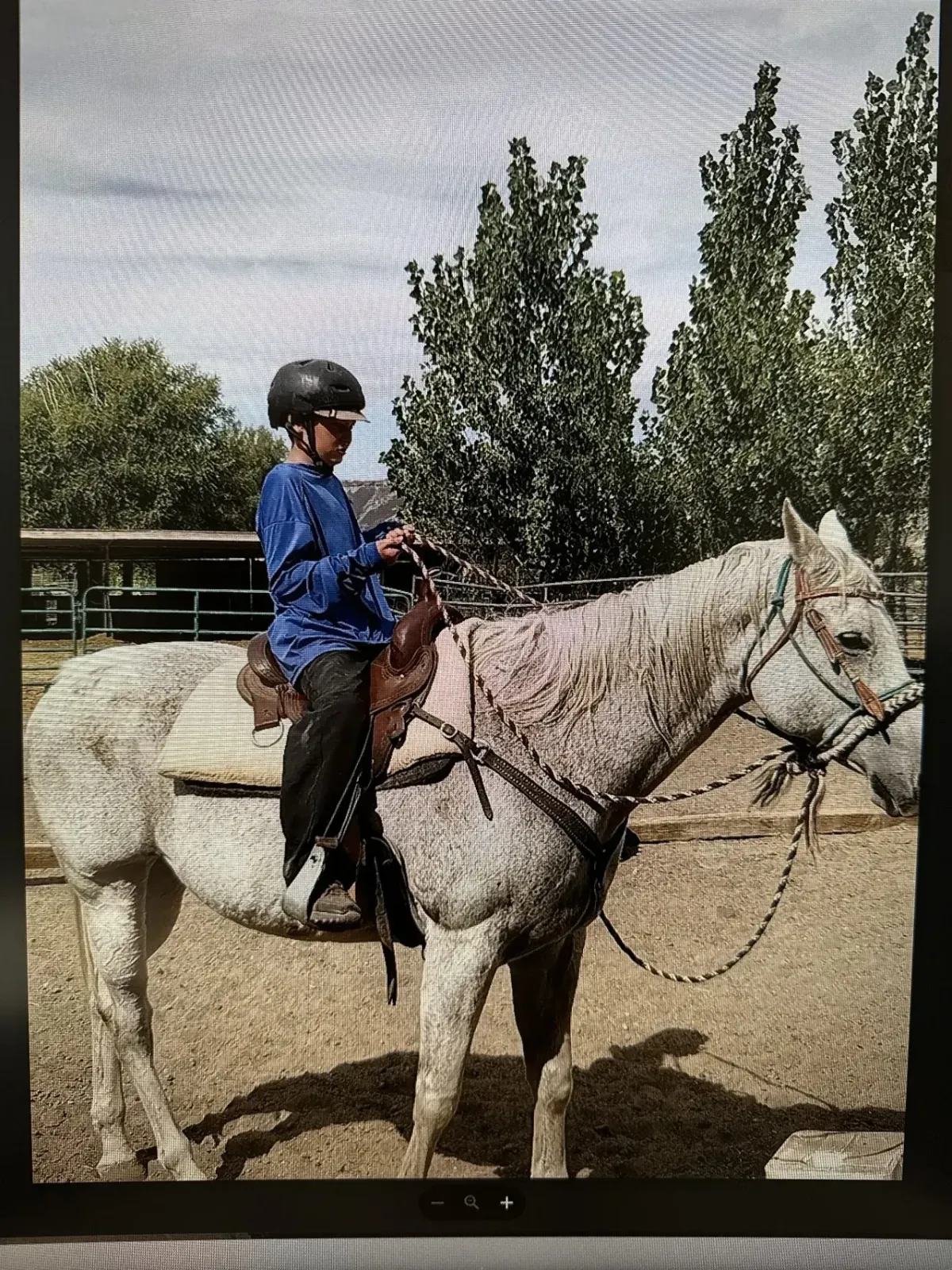
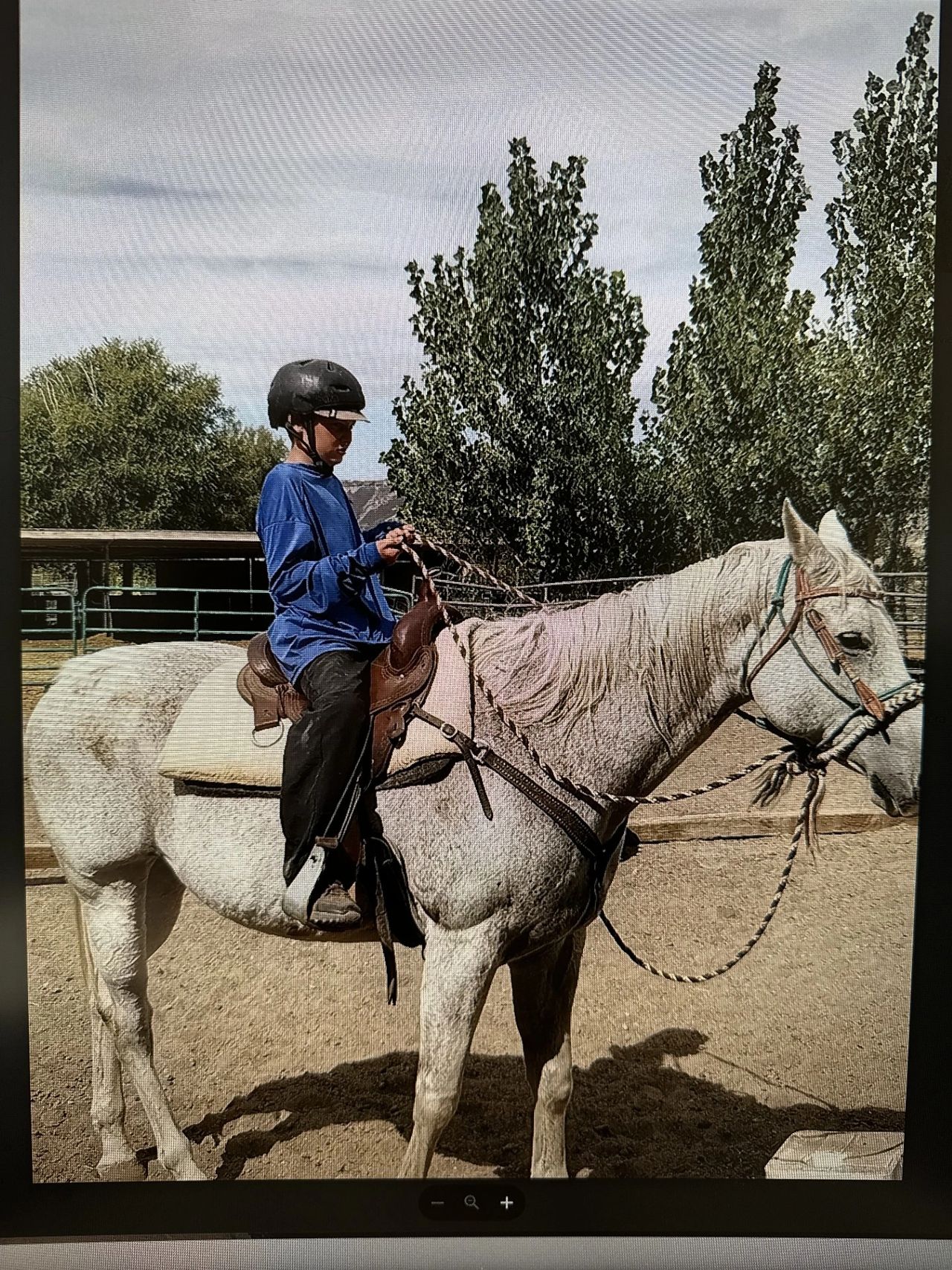
These long-term programs (9-18+ months) blend accredited academics with daily therapy, tailored for ADHD. Structured schedules combat inattention: Predictable routines, small classes, and tools like planners build organization. Therapies include CBT for impulsivity, social skills groups for relationships, and executive function coaching. Many incorporate experiential elements—equine therapy for emotional bonds, adventure outings for confidence. A study in the Journal of Therapeutic Schools and Programs highlights improved focus, grades, and behavior post-enrollment. In our story, a 10-month therapeutic boarding school abroad was the game-changer: After rejections from U.S. options, it provided the consistency our son needed. He returned mature, with better impulse control and family appreciation. For ADHD teens needing academic catch-up alongside behavioral support, these schools offer lasting transformation.
Residential Treatment Centers (RTCs): Intensive Care for Complex Cases
For severe ADHD with co-occurring issues, RTCs provide 24/7 clinical oversight in home-like settings. Multidisciplinary teams—psychiatrists, therapists, educators—address medication management, intensive CBT/DBT, and family therapy. Focus on ADHD includes neurofeedback for attention training or mindfulness for hyperactivity. Evidence from the National Association of Therapeutic Schools and Programs shows RTCs reduce symptoms and improve family dynamics. If your teen's ADHD involves safety risks or failed prior treatments—like our son's multiple facility stays—RTCs can stabilize before transitioning to less intensive options. Costs vary ($5,000-$15,000/month), but scholarships, insurance, and grants exist. We help families navigate this, drawing from our $250K+ debt experience to find affordable paths.
Real Transformations: Hope from Lived Experiences
Stories bring data to life. One family we supported had a 16-year-old with ADHD-fueled impulsivity leading to substance use and truancy. Wilderness therapy broke the cycle, followed by therapeutic boarding school for sustained growth—he's now in college, focused and proud. Another parent's daughter, battling ADHD and anxiety, found peace in an RTC, returning home with tools to manage distractions. Our own turnaround? After juvenile detention and failed attempts, that overseas boarding school gave our son structure, therapy, and distance to heal. He's home now, thriving—proof that the right placement changes everything. If you're crying over report cards or fearing the next call from school, these outcomes are possible for you too.
Deciding on Placement: Your Next Steps
Ask: Has ADHD impacted school/safety? Tried meds/therapy without progress? Co-occurring issues like ODD? If yes, act now. We assess needs, match programs (age, severity, preferences), and guide funding—without judgment. Don't delay—your teen's future depends on it. Contact The Real Parent Alliance now for free expert advice. We'll listen, share from our path, and help explore wilderness therapy, therapeutic boarding schools, or residential placements. For related insights on defiance often linked to ADHD, read Oppositional Defiant Disorder in Teens: Effective Treatments That Can Restore Peace to Your Family.
Conclusion: Reclaim Hope for Your Family
ADHD in teens when medication and therapy aren't enough is a tough road, but you're not walking it alone. From our family's $250K debt and system battles to triumphant reunion, we've seen structured placements like wilderness therapy, therapeutic boarding schools, and residential centers deliver lasting change. Seeking help isn't giving up—it's profound love. If this article hits home, take action today. Reach out to us at The Real Parent Alliance for personalized support. Dive into Our Story for more inspiration. Your family's brighter chapter starts here—let's write it together.
Written By: Taylor Mathieu
